
For inquiries, please leave us your details.
+966 11 242 6606
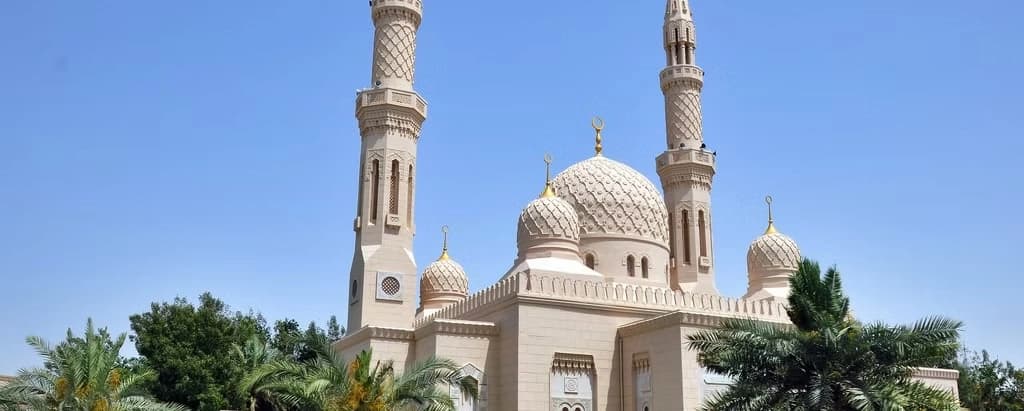
Our client was building a mosque in an area where cavities have been mapped. There was a network of cavities in the limestone underneath the site reaching down to 35 m (end of exploration). The largest mapped cavity dimension was 7m. The structure consisted of a basement and a ground floor and the column grid was 12m x 12m. The Municipal Engineer has requested the client to use 40m long piles with permanent casing under the columns and a suspended ground slab, which resulted in a very expensive foundation solution.
We checked the properties of the limestone and found out that it was very sound and the water table was 14m below the foundation level so any further erosion would be far below the foundation. Still, we allowed a provisional increase in the largest cavity scenario to reach 10m diameter. We then introduced a grid of underground beams below the columns and modeled the raft with a 10m cavity in several critical locations. We checked the stresses in the beams and the rock and all was looking good. We met with local authorities and explained that the original solution was risky as the extent of the cavities was unknown and a case could occur right underneath one of the columns, which will cause catastrophic failure, while in our case the load is distributed and the raft is stiff so the risk is minimal. They adopted our proposal and major savings were achieved.